
Pulled pork is the crown jewel of low-and-slow barbecue. When done right, it is meltingly tender, deeply smoky, and packed with flavour. It is also one of the most forgiving cooks for beginners — the fatty pork shoulder practically bastes itself as it smokes. This guide takes you through every step, from selecting your meat to serving the finished product.
Choosing the Right Cut of Pork
The ideal cut for pulled pork is the pork shoulder, also known as pork butt or Boston butt (despite the name, it comes from the shoulder). This cut is marbled with fat and connective tissue that breaks down during slow cooking, creating the juicy, shreddable texture pulled pork is known for.
Look for a bone-in shoulder weighing 3–5 kg. Bone-in cuts retain moisture better during the long cook and the bone slides out easily when done — a useful doneness indicator. Ask your butcher to leave the fat cap on; it will protect the meat and render down during smoking.
The Dry Rub: Simple but Essential
A good rub builds the flavourful bark (the dark, savoury crust) that makes pulled pork special. Here is a reliable recipe:
- 4 tablespoons brown sugar
- 2 tablespoons smoked paprika
- 2 tablespoons fine salt
- 1 tablespoon black pepper
- 1 tablespoon garlic powder
- 1 tablespoon onion powder
- 1 teaspoon cayenne pepper (adjust to taste)
- 1 teaspoon ground cumin
Mix all ingredients together. The night before cooking, pat the pork dry with paper towels, then coat it generously with the rub on all sides. Wrap tightly in cling film and refrigerate overnight. This lets the salt penetrate the meat while the sugar and spices begin forming the bark foundation.
Setting Up Your Smoker Drum
Fill the charcoal basket of your KLAUWE BBQ & Smoker Drum using the minion method: fill it with unlit briquettes, then add a small chimney of fully lit coals on top. This gives you a slow, steady burn that can last 8–12 hours without refuelling. Add two or three fist-sized chunks of smoking wood — oak, cherry, or hickory all pair excellently with pork.
Set your target temperature to 110°C (230°F). Adjust the bottom vents to control airflow: more air means more heat, less air brings the temperature down. The KLAUWE Premium’s precision vents make this adjustment intuitive.
The Smoke: 8–12 Hours of Patience
Place the pork shoulder fat-side up on the grate. Insert a probe thermometer into the thickest part of the meat, avoiding the bone. Close the lid and resist the urge to peek — every time you open the lid, you lose heat and add time to the cook.
The First Four Hours: Building the Bark
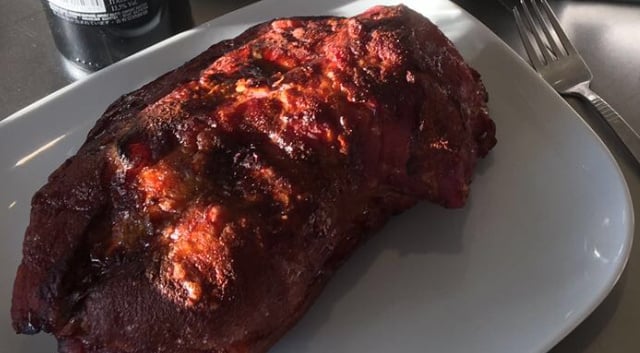
During the first few hours, the meat absorbs smoke and the bark begins to form. You will see the surface darken from pink-red to a deep mahogany. The internal temperature will climb steadily to around 65–70°C. This is the most critical smoking phase — after this point, the meat has absorbed most of the smoke flavour it will take on.
The Stall: Do Not Panic
Somewhere around 65–75°C internal temperature, the meat will seem to stop cooking. The temperature may plateau for hours. This is called “the stall” and it is caused by evaporative cooling — moisture on the meat’s surface evaporates and cools it, counteracting the heat from the smoker. It is completely normal.
You have two options:
- Wait it out. Eventually, the surface dries enough that evaporative cooling stops and the temperature climbs again. This produces the best bark but takes patience.
- Wrap it (the Texas Crutch). Wrapping the pork tightly in aluminium foil or butcher paper at the stall traps moisture and pushes through the stall faster. Foil is faster but can soften the bark; butcher paper is a compromise that lets some moisture escape while still speeding things up.
Target Temperature: 93–96°C Internal
Your pulled pork is done when the internal temperature reaches 93–96°C (200–205°F). At this temperature, the collagen and connective tissue have fully broken down into gelatin, making the meat tender enough to pull apart with minimal effort. The probe thermometer should slide into the meat like a knife through warm butter.
Resting: The Step You Must Not Skip
Remove the pork from the smoker and wrap it in foil if it is not already wrapped. Then wrap it in old towels and place it in a cool box (without ice) for at least one hour, ideally two. Resting allows the juices to redistribute throughout the meat. Skip this step and the juices pour out when you shred, leaving the meat dry.
Shredding: The Moment of Truth
Unwrap the pork and pull out the bone — it should slide out with almost no resistance. Using two forks, bear claws, or your hands (with heat-resistant gloves), pull the meat apart into shreds. Work with the grain, not against it. Remove any large pieces of fat that have not rendered down.
At this point, taste a piece before adding anything else. Good pulled pork needs very little extra seasoning if the rub and smoke have done their job. If you want sauce, add it lightly and let people add more at the table.
Serving Suggestions
- Classic: On a soft brioche bun with coleslaw and pickles
- Tacos: In corn tortillas with pickled red onion and coriander
- Loaded fries: Over thick-cut chips with cheese sauce and jalapeños
- Platter style: With cornbread, baked beans, and mac and cheese
- Salad: On a bed of rocket with avocado and a vinaigrette
Common Mistakes to Avoid
- Cooking too hot: Above 135°C, the fat renders too fast and the meat dries out. Keep it at 110°C.
- Not enough time: Budget 1.5–2 hours per kilogram, plus resting time. Start early.
- Skipping the rest: Cutting into pulled pork immediately loses all those precious juices.
- Over-smoking: Two or three wood chunks are enough. More is not better with smoke.
Pulled pork is a labour of love, but the results speak for themselves. Once you have nailed your first cook on a quality smoker drum, you will be hooked for life.
Discover the KLAUWE BBQ & Smoker Drum
Handcrafted stainless steel in the Netherlands. Grill, smoke, and bake — all in one.